
-
Wynthorix Yellow Fit-Over Night Driving Glasses – Matte Black
Regular price $24.99 USDRegular priceUnit price per -
Wynthorix Yellow Fit-Over Night Driving Glasses – Glossy Black
Regular price $24.99 USDRegular priceUnit price per -
Wynthorix Yellow Fit-Over Night Driving Glasses with Visor Clip & Protective Storage Box – Tortoiseshell
Regular price $34.99 USDRegular priceUnit price per$4.30 USDSale price $34.99 USD -
Wynthorix Yellow Fit-Over Night Driving Glasses with Visor Clip & Protective Storage Box – Glossy Black
Regular price $34.99 USDRegular priceUnit price per -
Wynthorix Yellow Fit-Over Night Driving Glasses with Visor Clip & Protective Storage Box – Matte Black
Regular price $34.99 USDRegular priceUnit price per$4.30 USDSale price $34.99 USD -
Wynthorix Yellow Fit-Over Night Driving Glasses with Car Visor Clip – Tortoiseshell
Regular price $29.99 USDRegular priceUnit price per$4.30 USDSale price $29.99 USD -
Wynthorix Yellow Fit-Over Night Driving Glasses with Car Visor Clip – Glossy Black
Regular price $29.99 USDRegular priceUnit price per -
Wynthorix Yellow Fit-Over Night Driving Glasses with Car Visor Clip – Matte Black
Regular price $29.99 USDRegular priceUnit price per$4.30 USDSale price $29.99 USD -
Wynthorix Yellow Fit-Over Night Driving Glasses – Tortoiseshell
Regular price $24.99 USDRegular priceUnit price per$4.30 USDSale price $24.99 USD
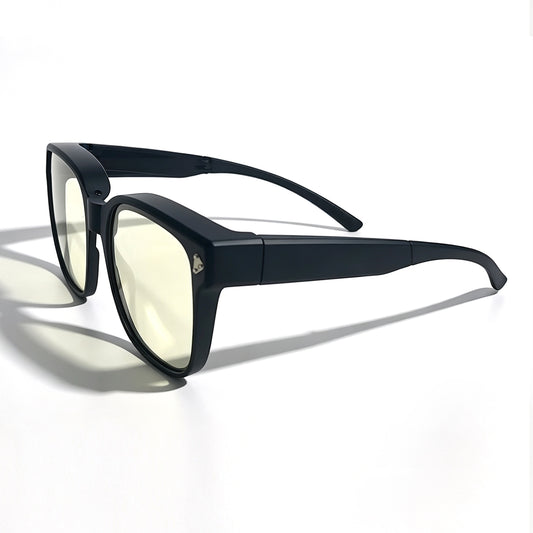

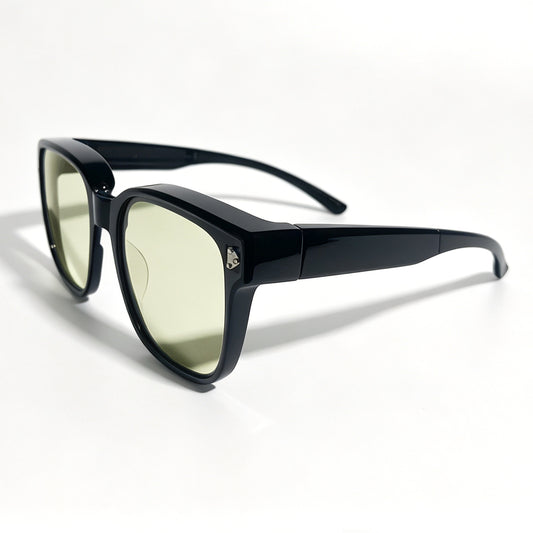


See the Night Driving Glasses Up Close
Watch this quick unboxing from Brandon [@milesworthadding] to see the fit-over glasses, included accessories, and what comes in the Essential Setup package.


Anti-Glare Glasses for Headlight and LED Glare at Night
Bright headlights, LED headlights, high beams, streetlights and wet-road reflections can create distracting glare at night, especially against a dark nighttime background.
Wynthorix anti-glare night driving glasses combine a light-yellow, high-VLT lens with anti-reflective coating. The yellow tint can enhance perceived contrast in some low-light conditions, while the AR coating helps reduce reflections from the lens surface.
For drivers looking for night driving glasses for headlight glare, this combination is designed to improve visual comfort around bright nighttime light sources—not to eliminate glare or turn darkness into daylight.

92.59% VLT for Glare-Reducing Night Driving Glasses
Night driving already happens in limited light, so glare-reducing night driving glasses should not rely on an overly dark tint.
Wynthorix lenses are tested at 92.59% visible light transmission (VLT), allowing most visible light through while adding a light-yellow, contrast-enhancing tint.
For more about lens tint, darkness and visible light transmission, see our yellow glasses for night driving and VLT guide.

Tested Anti-Reflective Coating for Night Driving Glare
Our anti-glare night driving glasses use an anti-reflective (AR) coating to reduce reflections from the lens surface—one source of visual distraction when driving around bright headlights at night.
In testing, measured lens reflectance decreased from 8.954% without AR coating to 5.9825% with AR coating — about a 33% reduction.
The 33% result applies specifically to lens-surface reflections, not total headlight glare.
Learn more about how anti-reflective coating works in night driving glasses.

Anti-Glare vs. Polarized Night Driving Glasses
Anti-glare and polarized glasses are not the same thing. Polarized lenses can reduce certain types of reflected glare, especially in bright daytime conditions, but they can also make some LCD dashboards, navigation screens and head-up displays appear darker or uneven at certain angles.
Wynthorix uses non-polarized night driving lenses with anti-reflective coating to reduce lens-surface reflections without introducing potential polarization-related screen visibility issues.

Anti-Glare Night Driving Glasses Over Prescription Glasses
Wynthorix anti-glare glasses use a fit-over frame designed to sit over many everyday prescription glasses up to 61 mm / 2.40 in wide × 53 mm / 2.09 in high. This lets you keep your normal vision correction while adding high-VLT yellow lenses and anti-reflective coating.
Because fit-over eyewear adds another pair of lens surfaces, fit and reflections can vary depending on your prescription frame and lighting conditions.
See our fit-over night driving glasses for prescription glasses for sizing and fit guidance.

Keep Your Night Driving Glasses Ready in the Car
Wynthorix offers three storage setups so you can choose how you prefer to keep your night driving glasses in the car.
The Essential setup includes a microfiber pouch for storage in your console, glove box, or bag. Choose the Visor Clip setup to keep the folded glasses attached to your sun visor for quick access, or the Complete Set for both a visor clip and a protective storage case.
All three setups use the same 92.59% VLT yellow lenses, anti-reflective coating, non-polarized lenses, and fit-over frame design.
FAQs About Anti-Glare Night Driving Glasses
Do anti-glare glasses help with headlight glare at night?
Anti-glare night driving glasses can address some sources of visual distraction around bright headlights, but they cannot eliminate all headlight glare.
Wynthorix combines 92.59% VLT light-yellow lenses with anti-reflective coating. The AR coating reduces reflections from the lens surface, while the high VLT avoids relying on an overly dark tint.
Do anti-glare glasses help with LED headlight glare?
Wynthorix night driving glasses are designed for driving around bright LED headlights, oncoming headlights, high beams and other nighttime light sources.
Their anti-reflective coating helps reduce reflections created by the lens surface. It does not reduce the brightness of an LED headlight itself or eliminate LED headlight glare.
How does anti-reflective coating help with night driving glare?
Anti-reflective coating reduces reflections from the surfaces of the lenses themselves.
In testing, Wynthorix lens reflectance decreased from 8.954% without AR coating to 5.9825% with AR coating, approximately a 33% reduction in measured lens-surface reflectance.
Are polarized glasses better for night driving glare?
Polarized lenses and anti-reflective coating work differently. Polarization can reduce certain types of reflected glare, but some polarized lenses can make LCD dashboards, navigation screens and head-up displays appear darker or uneven at certain viewing angles.
Wynthorix night driving glasses are intentionally non-polarized to help keep in-car displays easier to see while driving. Instead, they use anti-reflective coating to reduce lens-surface reflections without introducing potential polarization-related screen visibility issues.
Why is headlight glare worse on wet roads?
Wet pavement can reflect and spread light from headlights, streetlights and traffic signals, making wet-road glare and nighttime reflections more noticeable.
Anti-glare glasses cannot remove reflections from the road itself, but anti-reflective coating can reduce additional reflections created by the glasses' lens surfaces.
Can I wear anti-glare night driving glasses over prescription glasses?
Yes. Wynthorix uses a fit-over design intended to fit over many everyday prescription glasses, allowing you to keep your normal prescription correction while wearing the night driving lenses.
Check the frame measurements on the product detail page before ordering to make sure the fit-over frame will work with your prescription glasses.
Are anti-glare night driving glasses the same as night vision glasses?
No. Anti-glare night driving glasses are not infrared or electronic night vision glasses for driving, and they cannot make a dark road brighter.
They are designed to address lens reflections, glare comfort and contrast while maintaining high visible light transmission.
What types of glare can these glasses help with?
These glasses are designed for common nighttime glare situations, such as bright headlights, LED headlights, streetlights, reflections from wet roads, and glare from other vehicles.
They are especially useful when the issue is visual discomfort from harsh light rather than a need for a stronger prescription.
How are these different from regular yellow night driving glasses?
Regular yellow night driving glasses can vary a lot in lens darkness. Some use a deeper yellow or amber tint, which may make glare feel softer but can also reduce too much visible light at night.
Wynthorix lenses are different because they use a 92.59% VLT yellow lens. The light yellow tint can filter some short-wavelength blue/violet light, which may help road edges, lane markings, and details feel more defined. At the same time, the high VLT lets most visible light through, so the view does not feel overly dark.
They also include anti-reflective coating, which helps reduce reflections on the lens surface. So the design is not just “yellow tint”; it is a combination of high light transmission, contrast-enhancing tint, and anti-reflective coating.
When should I use anti-glare night driving glasses?
Use them when nighttime glare makes driving feel uncomfortable, such as during evening commutes, rainy-night driving, roads with bright streetlights, or when facing strong headlights from oncoming traffic.
They are not meant for every daytime driving situation, and they should not be used if they make your view feel darker or less clear.
What to Look for in Glasses for Headlight Glare at Night
When comparing anti-glare glasses for night driving, look beyond lens color alone. Important features to consider include:
- Anti-reflective coating to reduce lens-surface reflections
- High visible light transmission (VLT) to avoid an unnecessarily dark nighttime view
- Polarized vs. non-polarized lenses, especially if dashboard and screen visibility matters
- Fit-over compatibility, if you already wear prescription glasses
- Measured lens specifications rather than claims that glasses eliminate glare
For drivers looking for glare-reducing glasses for night driving, Wynthorix combines 92.59% VLT light-yellow lenses, tested anti-reflective coating, a non-polarized design and a fit-over frame.
For a broader comparison of lens features, see what to look for in the best night driving glasses.
Shop Night Driving Glasses by Need
-

Night Driving Glasses
Shop Night Driving GlassesExplore high-VLT yellow lens glasses designed for nighttime driving, glare comfort, and clearer visual comfort after dark.
-

Yellow Night Driving Glasses
Browse Yellow Night Driving GlassesLearn how high-VLT yellow lenses can help with contrast and glare comfort without making the road feel overly dark.
-

Fit-Over Night Driving Glasses
Explore Fit-Over Night Driving GlassesDesigned to wear over many prescription glasses, so you can keep your everyday eyewear on while driving at night.


